¿No estás seguro de lo que buscas?


Durante la mayor parte de la historia de la humanidad hemos concebido la edad como algo rígido y el envejecimiento como algo inevitable. Ahora, una nueva comprensión de los procesos biológicos asociados al envejecimiento nos obliga a cuestionar estas suposiciones.
He aquí tres áreas de investigación que podrían cambiar nuestra forma de pensar sobre el envejecimiento.
EDAD BIOLÓGICA FRENTE A EDAD CRONOLÓGICA
Siempre se ha considerado que la edad es el tiempo que hemos vivido. Pero cada vez reconocemos más que la edad es algo más complejo, de lo cual esta idea tradicional de la edad -la "edad cronológica"- es sólo un aspecto.
Una mejor medida de nuestra edad es nuestra
«edad biológica», que se basa en el daño acumulado por el cuerpo que limita las capacidades físicas y mentales y, finalmente, provoca el fallo de los sistemas. Existen diversos indicadores de la edad biológica, entre ellos los cambios en nuestro ADN, tanto en la longitud de los extremos protectores (nuestros telómeros, que afectan a la rapidez con la que envejecen las células) como en los
biomarcadores que controlan cómo se lee nuestro ADN (nuestro epigenoma).
La edad cronológica no es algo sobre lo que tengamos control
, pero la edad biológica sí.
Los factores que afectan a la edad biológica son la edad cronológica, la genética, la nutrición y el estilo de vida. Un fumador de 40 años con un estilo de vida sedentario puede esperar tener una edad biológica más avanzada que su gemelo no fumador y físicamente activo, a pesar de que compartan edad cronológica. Las personas que mantienen una edad biológica más baja corren menos riesgo de enfermar y pueden esperar disfrutar de una vida más larga y de una mayor esperanza de vida (una vida sin enfermedades ni discapacidades).
En efecto, la edad cronológica es la edad que técnicamente "deberíamos tener", pero la edad biológica es la que realmente tenemos.
AUMENTAR LA ESPERANZA DE VIDA
La esperanza de vida depende de factores interrelacionados como la genética, las enfermedades, el medio ambiente y el estilo de vida. La esperanza de vida depende de factores interrelacionados como la genética, las enfermedades, el medio ambiente y el estilo de vida.
Muchas intervenciones en el estilo de vida para prolongar la esperanza de vida saludable son bien conocidas (un artículo en Frontiers ilustra las mejoras en la esperanza de vida saludable), como no fumar y hacer ejercicio regularmente.
Pero también hay un creciente número de investigaciones sobre lo que ocurre en nuestras células a medida que envejecemos, lo que ofrece nuevas oportunidades para modificar nuestra esperanza de vida saludable. Hay mucho entusiasmo en torno a mantener los niveles de NAD+, una molécula que desempeña un papel fundamental en el metabolismo celular y que disminuye drásticamente con la edad. Un estudio de 2018 descubrió que los sujetos cuya dieta se complementaba con un precursor del NAD veían aumentada su esperanza de vida saludable, mientras que los sujetos de más edad mostraban una mejora de la función cognitiva al tomar el suplemento durante solo dos semanas. El genetista y experto en longevidad de la Universidad de Harvard , profesor David Sinclair , cree que los suplementos de NAD también pueden ralentizar el envejecimiento en los seres humanos, tal y como se señala en un artículo sobre antienvejecimiento artículo de Harvard Magazine.
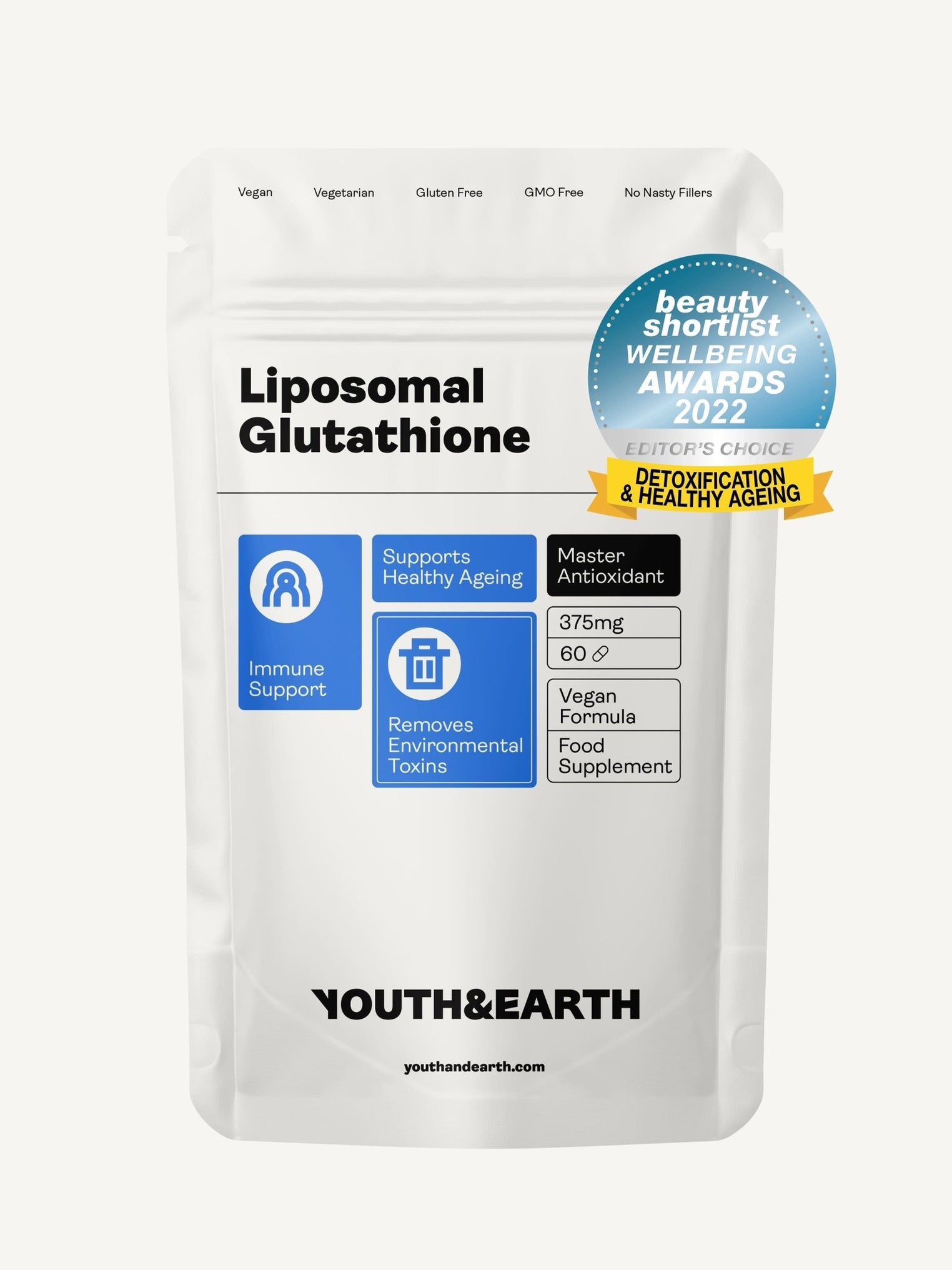
Los investigadores continúan identificando moléculas asociadas con el envejecimiento y explorando si podrían utilizarse para prolongar la esperanza de vida y la salud. Por ejemplo, suplementos como el glutatión o glyNAC — antioxidantes que se encuentran en las células y que disminuyen con la edad — han demostrado aumentar la esperanza de vida en estudios de investigación.
Reproducir estos efectos en humanos podría poner en tela de juicio las ideas que tenemos desde hace tiempo sobre la inevitabilidad del deterioro físico y mental.
SENOLÍTICOS
Un proceso biológico importante asociado al envejecimiento es senescencia celular: cuando las células ya no pueden realizar sus funciones ni replicarse, pero tampoco mueren. Este es un proceso importante para la protección contra el cáncer y la insuficiencia orgánica, pero estas células «zombis» también pueden emitir una mezcla química tóxica que causa daños a las células sanas circundantes. El aumento de la senescencia celular es un biomarcador del envejecimiento.
Investigadores están estudiando si este proceso podría combatirse reservando o suprimiendo la senescencia, o matando las células senescentes para que el organismo pueda reciclarlas de forma segura.

La senescencia se desencadena en una célula cuando sus telómeros -que se acortan ligeramente con cada división celular- caen por debajo de cierto tamaño.
Por lo tanto, existe un gran interés en saber si la extensión de los telómeros podría combatir la senescencia celular. Esto se ha demostrado en la Universidad Médica de Stanford con cultivos de células humanas.
Otro enfoque para combatir la senescencia celular son los senolíticos, moléculas que matan las células senescentes. Entre los senolíticos probados hasta ahora se encuentran el fármaco contra el cáncer dasatinib y los flavonoides quercetina y fisetina, y los estudios han demostrado un aumento de la esperanza de vida y la salud en los sujetos tratados con senolíticos.
Las primeras pruebas sugieren que los senolíticos también podrían reducir el número de células senescentes en humanos, un paso importante para entender si los senolíticos podrían funcionar en el futuro y cómo.
El envejecimiento es un proceso tremendamente complejo, un proceso que apenas hemos comenzado a comprender. Estas son solo tres de las muchas áreas que los investigadores están estudiando en su intento por ayudarnos a envejecer más lentamente y de forma más saludable.
Acompáñenos en
la segunda parte , donde examinaremos más a fondo qué factores determinan la esperanza de vida.
Preguntas frecuentes
¿Qué es el NAD en términos médicos?
La nicotinamida adenina dinucleótido, o NAD, fue descubierta en 1906 y es una coenzima que se encuentra en todas las células vivas.
El NAD existe en dos formas: el NADH, que ayuda a mejorar funciones cerebrales como la concentración, la memoria y el estado de alerta, y el NAD+, que mantiene nuestro sistema neurológico y la salud de los órganos internos.
¿Qué es la quercetina?
La quercetina es un flavonoide vegetal que se encuentra en las cebollas, las manzanas, la col rizada, el brécol, el té verde y el café. Como nuestro cuerpo no lo produce de forma natural, podemos asegurarnos de obtener una cantidad adecuada tomando un suplemento.
¿Para qué sirve la quercetina?
La quercetina es un potente antioxidante que desempeña un papel clave en la eliminación de las células senescentes que contribuyen al envejecimiento y a las enfermedades relacionadas con la edad.
El contenido de este artículo es sólo para fines informativos.
No pretende ser un sustituto de consejo médico profesional, diagnóstico o tratamiento. Siempre busque el consejo de su médico o proveedor de salud antes de comenzar un nuevo régimen de salud o programa.
No ignore el consejo médico o retrasar la búsqueda debido a algo que has leído en este sitio o cualquier producto de Youth & Earth .