Vous ne savez pas exactement ce que vous recherchez ?


Vous êtes-vous déjà demandé comment certaines personnes pouvaient rester aussi actives et vivantes bien au-delà de leurs soixante-dix ans ? Nous avons tendance à associer le vieillissement à une détérioration générale des capacités physiques et mentales, mais le vieillissement n'est pas un déclin aussi simple qu'il n'y paraît.
Pour commencer, l'
état de santé est davantage lié à notre âge biologique , c'est-à-dire le bon fonctionnement de notre organisme, qu'au nombre d'années écoulées depuis notre naissance, notre âge chronologique. En réalité, notre âge biologique et notre âge chronologique peuvent être très différents, le premier étant parfois un meilleur indicateur de notre espérance de vie globale et du risque de développer des
maladies liées à l'âge, telles que le cancer et les maladies cardiaques.
Il s'ensuit que si nous pouvions gérer notre âge biologique, le ralentir, l'arrêter, voire inverser le processus de vieillissement, nous vivrions non seulement plus longtemps, mais nous resterions en bonne santé jusqu'à un âge avancé.
LA BIOLOGIE DU VIEILLISSEMENT
Quels changements se produisent au niveau biologique lorsque nous vieillissons ? On peut considérer le vieillissement comme une perte d'informations: nos cellules perdent leur identité et, par conséquent, ne fonctionnent plus aussi bien. Si une cellule nerveuse, par exemple, commence à se comporter moins comme une cellule nerveuse, cela peut finalement entraîner une perte de la vue, si cette cellule fait partie du nerf optique.
Les informations en question se trouvent dans l'épigénome de la cellule épigénome, qui se compose de divers composés chimiques qui se fixent à l'ADN et le « marquent » afin de contrôler quels gènes sont activés ou désactivés dans la cellule, et donc comment et quand cette cellule fonctionne.
COMMENT PUIS-JE DÉTERMINER MON ÂGE BIOLOGIQUE ?
Grâce aux progrès de la recherche qui nous permettent de mieux comprendre le processus de vieillissement, nous connaissons aujourd'hui des signes biologiques, lesbiomarqueurs-qui peuvent indiquer notre âge biologique et aider à prédire notre durée de vie.
Sans surprise, il s'avère que bon nombre de ces biomarqueurs sont liés à l'épigénome. L'un des biomarqueurs les plus largement utilisés pour le vieillissement est la méthylation de l'ADN, qui a été associée à la longévité. La longueur des télomères à l'extrémité de nos chromosomes joue un rôle dans le vieillissement. Nous pouvons également nous tourner vers les gènes ou les protéines liés au vieillissement pour trouver des indices.
Le vieillissement étant un processus très complexe, plusieurs biomarqueurs sont probablement impliqués dans la prédire notre âge biologique.
COMMENT CONTRÔLER MON ÂGE ?
On nous dit souvent de
adopter un mode de vie sain
en termes d'alimentation, d'exercice, de sommeil et de bien-être, et ces facteurs semblent également importants pour réduire notre âge biologique, en ciblant des processus tels que la méthylation de l'ADN
Restriction calorique est une approche particulière qui s'est révélée prometteuse.
Le Dr Sinclair pense que les voies génétiques sont activées par une faible énergie qui active des enzymes appelées sirtuines. "Manger moins souvent", ce qui n'implique pas de consommer moins de calories, mais plutôt de manger moins.
consommer moins de calories dans un laps de temps plus court.
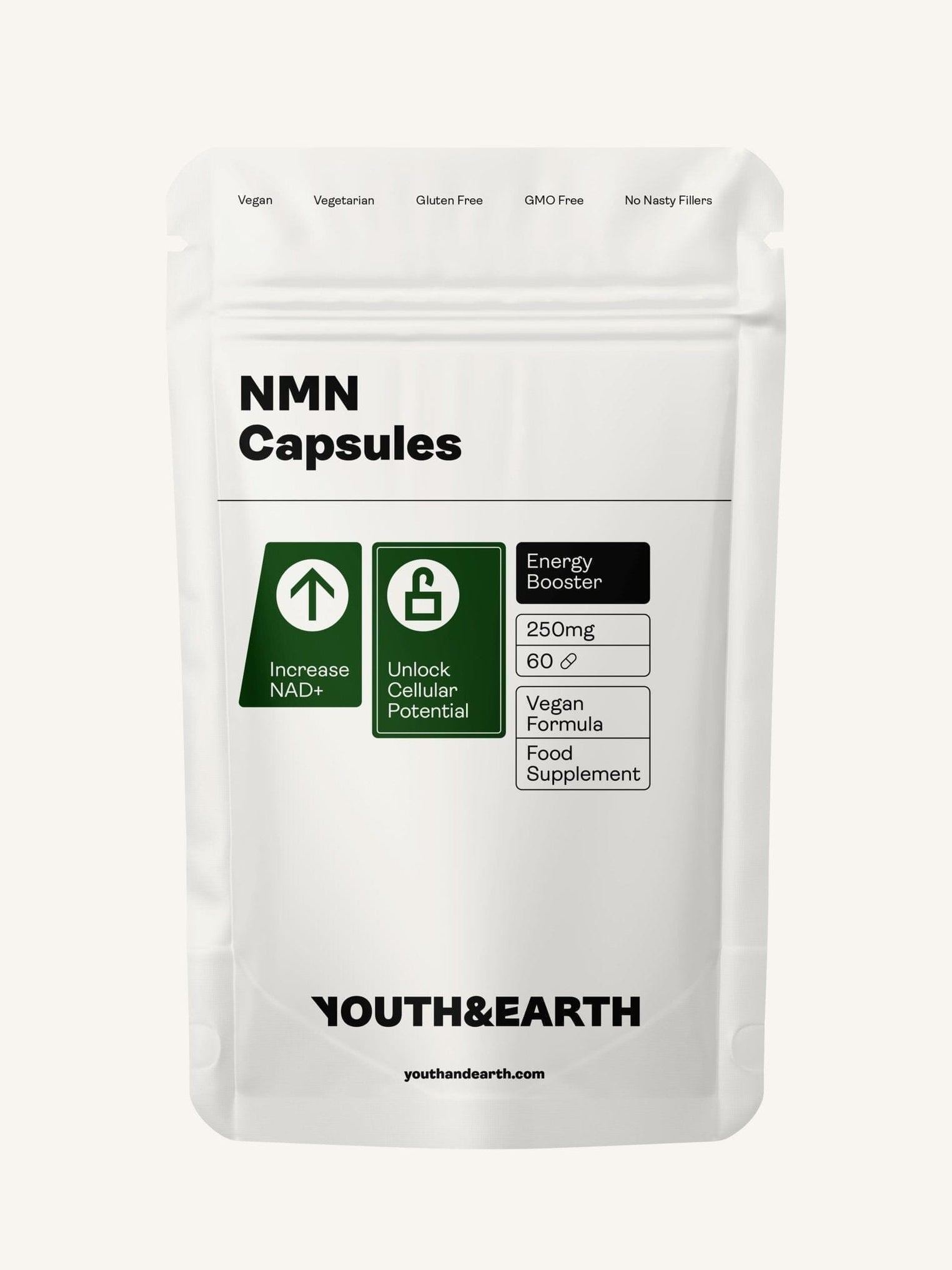
Certains compléments alimentaires ont également permis de ralentir le processus de vieillissement, en reproduisant certains des effets biologiques de l'exercice physique ou des restrictions alimentaires. C'est le cas notamment du complément alimentaire nicotinamide mononucléotide (NMN), qui augmente le niveau de NAD+, une coenzyme qui aide à protéger les cellules du stress et à réparer l'ADN endommagé.
Alors que les gens vivent de plus en plus longtemps et que les maladies liées à l'âge constituent un problème de santé de plus en plus important, les interventions anti-âge deviennent de plus en plus pertinentes et constituent un sujet d'actualité.
Auparavant, il était difficile d'affirmer avec certitude qu'une personne de 65 ans menant une vie saine était biologiquement plus jeune qu'une autre personne du même âge qui fumait, buvait, ne faisait pas d'exercice ou prenait des compléments alimentaires.
C'est pourquoi il est passionnant de voir les scientifiques développer des moyens de mesurer de manière fiable l'âge biologique, notamment grâce à des biomarqueurs sanguins. Cela permettra d'évaluer l'efficacité des thérapies de longévité dans le cadre d'essais cliniques afin de garantir que l'anti-vieillissement ne soit pas seulement un mot à la mode.
Il n'est pas destiné à se substituer à un avis médical professionnel, à un diagnostic ou à un traitement. Demandez toujours l'avis de votre médecin ou de votre prestataire de soins de santé avant de commencer un nouveau régime ou programme de santé.
N'ignorez pas les conseils d'un médecin ou ne tardez pas à le faire à cause de quelque chose que vous avez lu sur ce site ou sur un produit de Youth & Earth