Não tem a certeza do que está a procurar?


Durante a maior parte da história da humanidade, concebemos a idade como algo rígido — e o envelhecimento como inevitável. Agora, uma nova compreensão dos processos biológicos associados ao envelhecimento exige que questionemos essas suposições.
Eis três áreas de investigação que poderão mudar a forma como pensamos o envelhecimento.
IDADE BIOLÓGICA VS IDADE CRONOLÓGICA
Sempre se pensou na idade como o período de tempo que vivemos. Mas cada vez mais reconhecemos a idade como algo mais complexo, do qual esta ideia tradicional de idade - "idade cronológica" - é apenas um aspeto.
Uma medida mais precisa da nossa idade é a nossa
«idade biológica”, que se baseia nos danos acumulados pelo corpo que restringem as capacidades físicas e mentais e, eventualmente, causam falhas nos sistemas. Existem vários indicadores de idade biológica, incluindo alterações no nosso ADN — tanto no comprimento das extremidades protetoras (os nossos telómeros, que afetam a rapidez com que as células envelhecem) como nos
biomarcadores que controlam a forma como o nosso ADN é lido (o nosso epigenoma).
A idade cronológica não é algo sobre o qual tenhamos qualquer controlo — mas a idade biológica é.
Os factores que afectam a idade biológica incluem a idade cronológica, a genética, a nutrição e o estilo de vida. Um fumador de 40 anos com um estilo de vida sedentário pode esperar ter uma idade biológica mais avançada do que o seu gémeo não fumador e fisicamente ativo, apesar de partilharem a mesma idade cronológica. As pessoas que mantêm uma idade biológica mais baixa correm um risco menor de contrair doenças e podem esperar usufruir de uma esperança de vida mais longa e de um período de saúde (vida vivida sem doenças ou incapacidades).
De facto, a idade cronológica é a idade que tecnicamente "deveríamos ter", mas a idade biológica é a idade que realmente temos.
AUMENTAR O TEMPO DE VIDA SAUDÁVEL
O tempo de vida saudável é influenciado por factores interligados, incluindo a genética, a doença, o ambiente e o estilo de vida. O tempo de vida saudável é influenciado por factores interligados, incluindo a genética, a doença, o ambiente e o estilo de vida.
Muitas intervenções no estilo de vida para prolongar a expectativa de vida saudável são bem conhecidas (um artigo na revista Frontiers ilustra as melhorias na expectativa de vida saudável), como não fumar e praticar exercícios físicos regularmente.
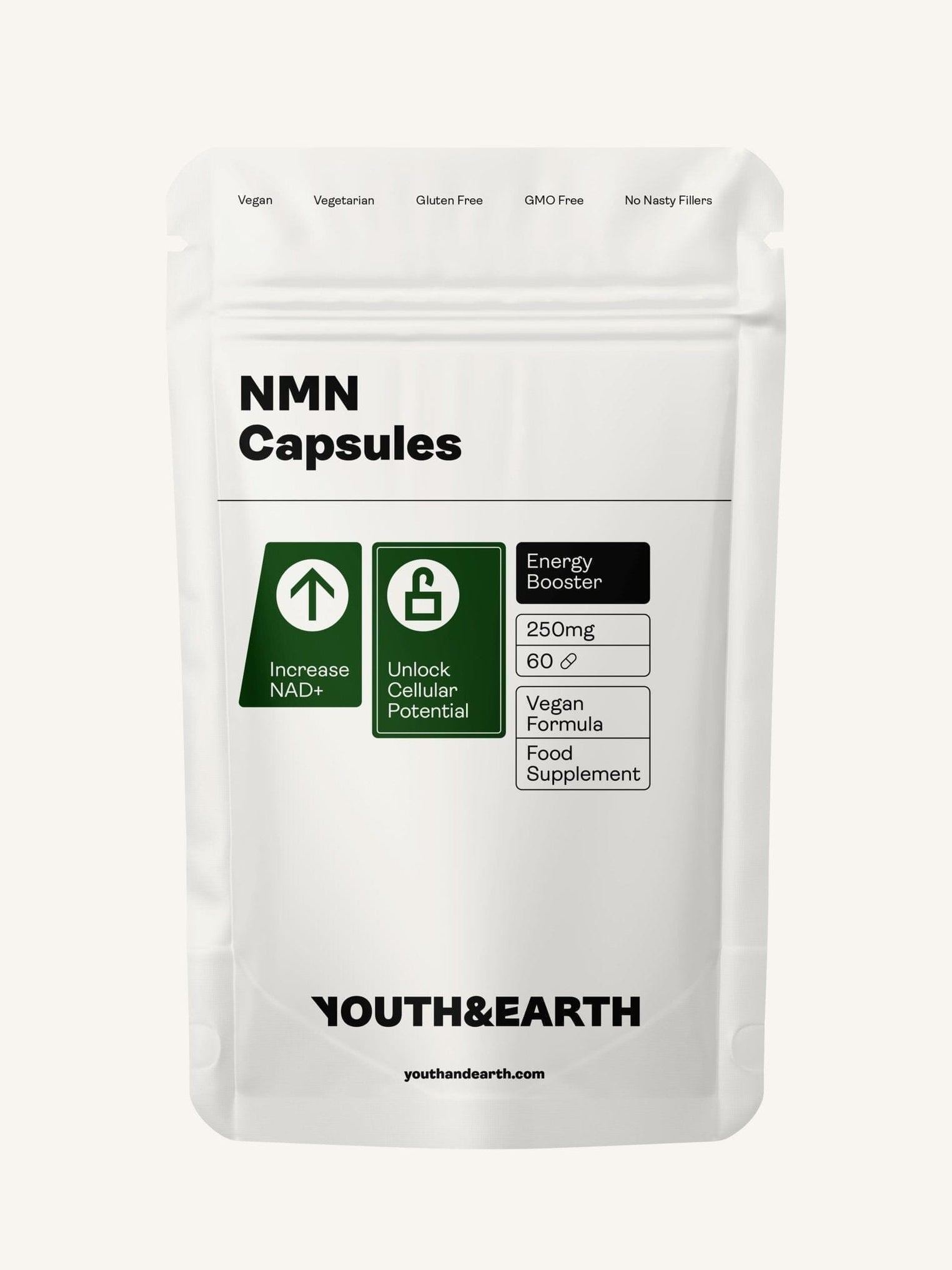
Mas também há um crescente conjunto de pesquisas sobre o que acontece nas nossas células à medida que envelhecemos, apresentando novas oportunidades para alterar a nossa expectativa de vida saudável. Há muito entusiasmo em torno da manutenção dos níveis de NAD+, uma molécula que desempenha um papel fundamental no metabolismo celular e que diminui drasticamente com a idade. Um estudo de 2018 descobriu que os indivíduos cuja dieta foi suplementada com um precursor do NAD tiveram um aumento na expectativa de vida saudável, enquanto os indivíduos mais velhos apresentaram uma melhora na função cognitiva após receberem o suplemento por apenas duas semanas. O geneticista e especialista em longevidade da Universidade de Harvard Professor David Sinclair acredita que os suplementos de NAD também podem retardar o envelhecimento em humanos, conforme observado num artigo sobre antienvelhecimento . na Harvard Magazine.
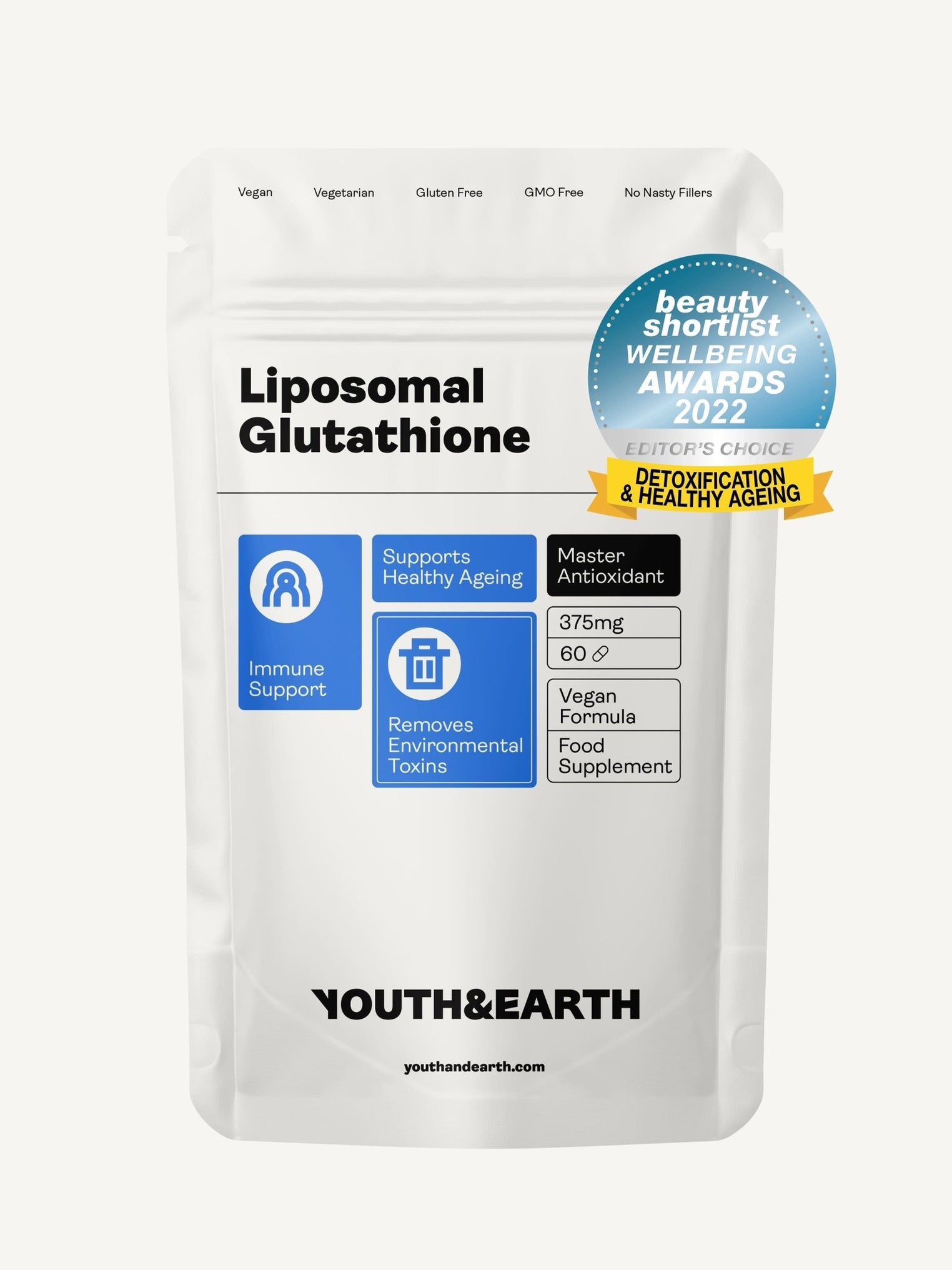
Os investigadores continuam a identificar moléculas associadas ao envelhecimento e a explorar se elas podem ser alvo de intervenções para prolongar a vida útil e a saúde. Por exemplo, suplementos como glutationa ou glyNAC — antioxidantes encontrados nas células, que diminuem com a idade — demonstraram aumentar a esperança de vida em estudos de investigação.
A replicação destes efeitos em seres humanos poderia pôr em causa as nossas ideias há muito estabelecidas sobre a inevitabilidade do declínio físico e mental.
SENOLÍTICOS
Um importante processo biológico associado ao envelhecimento é a senescência celular: quando as células deixam de poder desempenhar funções celulares ou replicar-se, mas também não morrem. Este é um processo importante para a proteção contra o cancro e à falência de órgãos, mas essas células «zumbis» também podem emitir um coquetel químico tóxico que causa danos às células saudáveis ao redor. O aumento da senescência celular é um biomarcador do envelhecimento.
Investigadores estão a estudar a possibilidade de combater este processo reservando ou suprimindo a senescência, ou matando as células senescentes para que possam ser recicladas em segurança pelo organismo.

A senescência é desencadeada numa célula quando os seus telómeros - que encurtam ligeiramente em cada divisão celular - descem abaixo de um determinado tamanho.
Portanto, há um interesse considerável em saber se extensão dos telómeros poderia combater a senescência celular. Isso foi demonstrado na Universidade Médica de Stanford com células humanas cultivadas.
Outra abordagem para combater a senescência celular são os senolíticos — moléculas desenvolvidas para matar células senescentes. Os senolíticos testados até agora incluem o medicamento contra o cancro dasatinibe e os flavonóides quercetina e fisetina, e estudos demonstraram aumento da expectativa de vida e da saúde em indivíduos tratados com senolíticos.
As primeiras evidências sugerem que os senolíticos podem também reduzir o número de células senescentes nos seres humanos, um passo importante para compreender se e como os senolíticos podem funcionar no futuro.
O envelhecimento é um processo extremamente complexo — um processo que apenas começámos a compreender. Estas são apenas três das muitas áreas que os investigadores estão a explorar na sua tentativa de nos ajudar a envelhecer mais lentamente e de forma mais saudável.
Junte-se a nós na
Parte 2 , onde examinaremos mais detalhadamente o que determina a esperança de vida.
FAQS
O que é NAD em termos médicos?
A nicotinamida adenina dinucleótido, ou NAD, foi descoberta em 1906 e é uma coenzima encontrada em todas as células vivas.
O NAD existe em duas formas: NADH, que ajuda a melhorar funções cerebrais como concentração, memória e estado de alerta, e NAD+, que mantém o nosso sistema neurológico e órgãos internos saudáveis.
O que é a quercetina?
A quercetina é um flavonoide vegetal que se encontra nas cebolas, maçãs, couves, brócolos, chá verde e café. Como o nosso organismo não a produz naturalmente, podemos garantir que obtemos uma quantidade adequada tomando um suplemento.
Para que é utilizada a quercetina?
A quercetina é um potente antioxidante, que desempenha um papel fundamental na eliminação das células senescentes que contribuem para o envelhecimento e as doenças relacionadas com a idade.
O conteúdo deste artigo é apenas para fins informativos.
Não se destina a substituir o aconselhamento, diagnóstico ou tratamento médico profissional. Procure sempre o conselho do seu médico ou prestador de cuidados de saúde antes de iniciar um novo regime ou programa de saúde.
Não ignore o conselho médico nem adie a sua procura por causa de algo que leu neste site ou em qualquer produto Youth & Earth .